

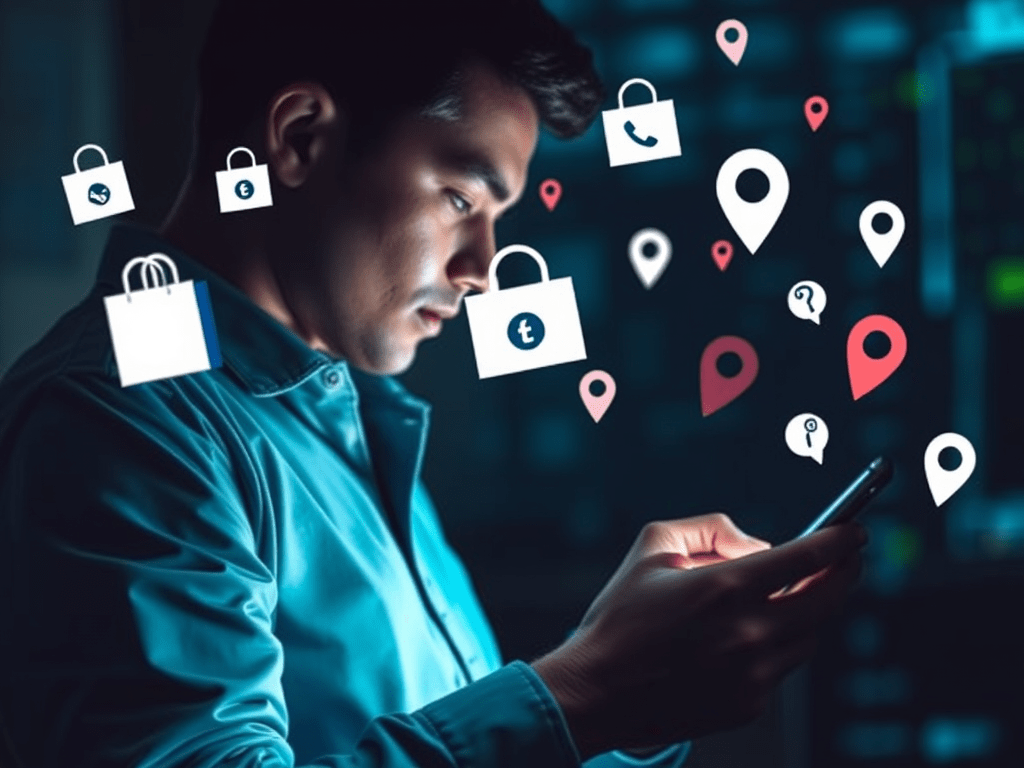

You don’t have to be famous to have a file. Behind the scenes, data brokers quietly collect, analyze, and sell your personal information, often without you realizing it. From your shopping history to your social media likes, your data is part of a billion-dollar industry that thrives on invisibility.
Yes, they may argue they need to gather this information to personalize ads, improve user experience, or help businesses reach the “right audience.” But once your information spreads, it doesn’t stay in one place. It multiplies. It’s copied, sold, repackaged, and rediscovered again and again. This alone makes controlling your digital footprint nearly impossible without taking action.
Let’s break down how it happens, and more importantly, how you can stop it.
What Are Data Brokers (and Why Should You Care)?
Data brokers are companies that collect and sell personal information about consumers. The information these companies gather can include everything from your name and age to your browsing habits and purchase patterns.
They pull data from:
- Social media platforms
- Public records (like property or voter info)
- Online purchases and loyalty programs
- Apps that share tracking data
They then compile profiles that can be sold to advertisers, credit agencies, insurers, and even background check services. It’s just like your data becomes a product, one that helps others profit from your personal life.
Fun fact: Some brokers maintain profiles with over 3,000 data points per person. That includes what you buy, where you live, who you vote for, and what kind of car you drive. It’s unsettling when you realize strangers may know more about your habits than your friends do.
The Everyday Ways You’re Being Tracked
Even simple online actions can create a breadcrumb trail:
- Signing up for “free” apps or newsletters
- Clicking “Accept All Cookies” without checking settings
- Using your main email address everywhere
- Connecting accounts to social logins (like “Sign in with Google”)
Each of these moments hands over small pieces of personal data, which together form a detailed digital fingerprint.
For example, buying a simple product online like a new pair of headphones can trigger dozens of trackers. Your location, device, spending habits, and browsing patterns are instantly recorded and shared with advertisers, who may then resell that information to other companies.
Why It’s So Hard to Stay Private (Even When You Try)
Deleting your accounts or using private browsers helps, but it’s not enough. That’s because data brokers don’t just rely on what you share, they infer.
Since they need to keep their databases valuable and up to date, they buy information from one another, combine data sets, and make assumptions about your income, lifestyle, and even potential health risks.
So even if you’ve deleted an old account, that data may still exist in a broker’s archive; updated, repackaged, and sold all over again.
How to Stop Data Brokers from Tracking You
Here’s the good news: you can fight back.
Try these practical steps to limit exposure:
- Use an alias email for newsletters and app sign-ups. This keeps your real inbox private and prevents companies from connecting all your online activity under one address.
- Clear browser cookies regularly. It helps reset tracking tools that quietly follow your browsing habits.
- Avoid public Wi-Fi logins that require personal info. they often collect more information than they need.
- Opt out manually from major broker sites like Whitepages, Spokeo, and BeenVerified if you can. It takes time, but it’s one of the most effective ways to start cleaning up your digital footprint.
- Automate the removals with a service like EraseMe.app, which continuously scans and removes your information from data broker databases. It saves you hours of tedious work and helps keep your information off the market for good.
Why Continuous Privacy Protection Matters
Data exposure isn’t a one-time event; it’s ongoing. Even if you clean up your footprint once, new records can appear within weeks. That’s why EraseMe’s approach goes beyond one-time removal. It’s automated, ongoing, and proactive.
Once you start, it keeps your information clean, so you don’t have to chase down every broker yourself.
Conclusion: Privacy Is a Form of Freedom
Your personal data should belong to you, not to marketers, not to third parties, and not to whoever happens to buy it next. With EraseMe, you take back control from the data brokers and reclaim a sense of calm online. It’s the kind of everyday peace that comes from knowing your private life stays private. And that peace begins when you stop being the product and start protecting yourself like a person again.